
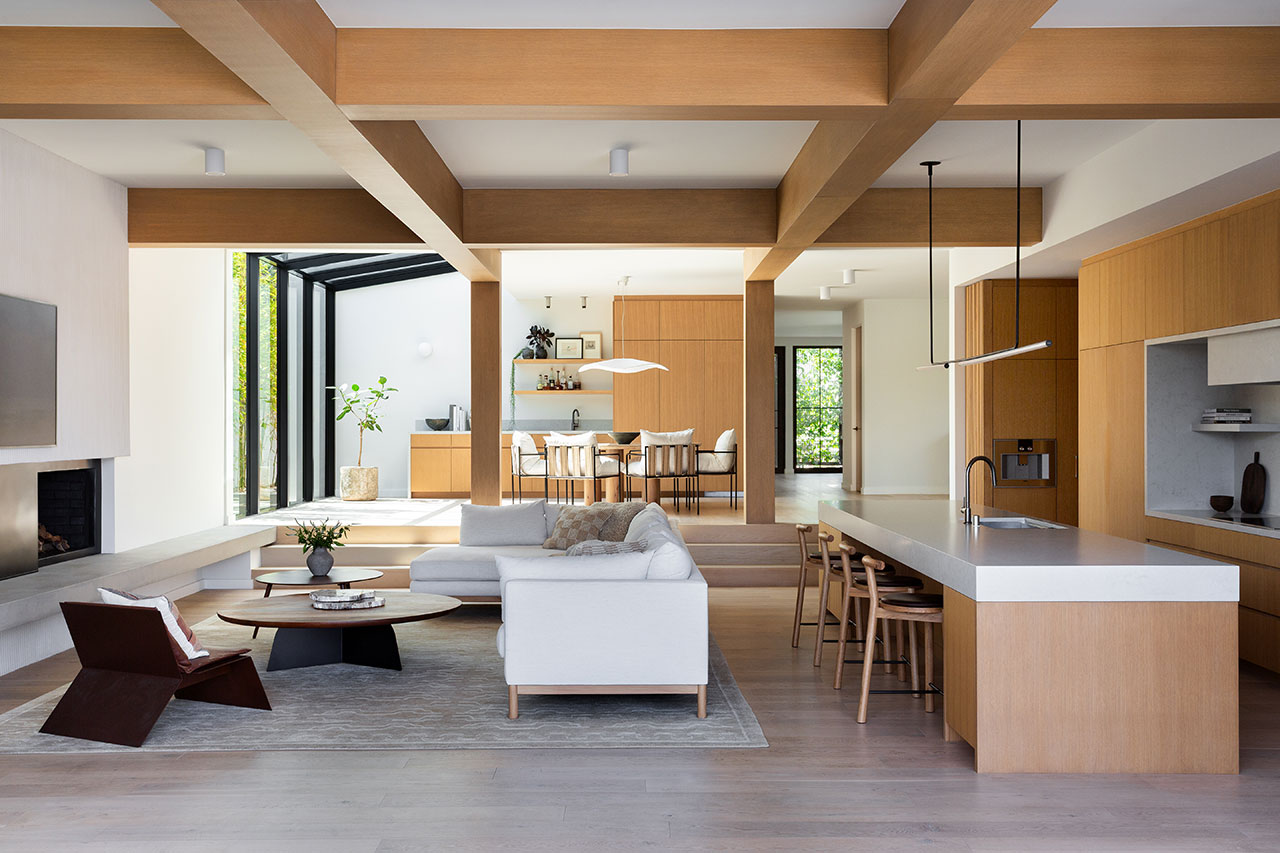

The word “home” implies a sense of strength, safety, and permanence, so much so that society communicates those feelings through the lexicon of architecture borrowing words like foundation, framework, and pillar. But when that stability is stripped away – quite literally – by tragedy, the design process becomes a vital tool for healing and reclamation.
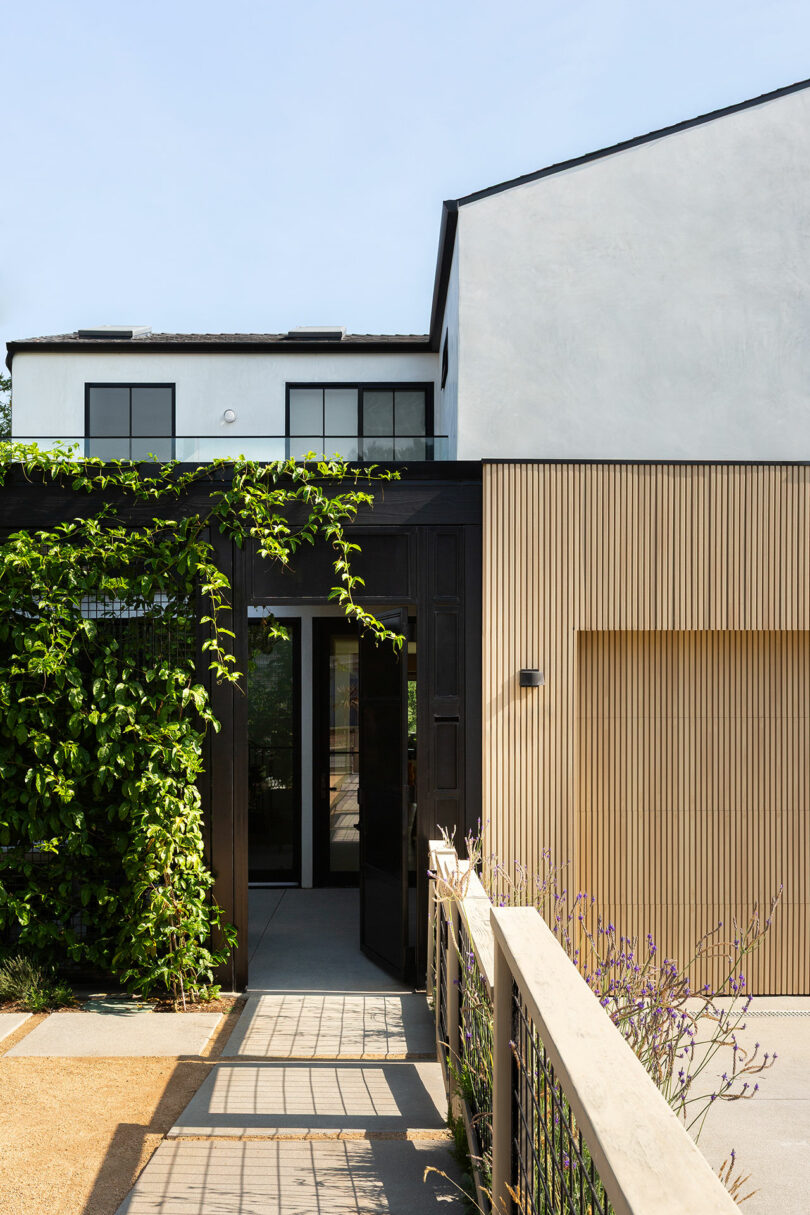
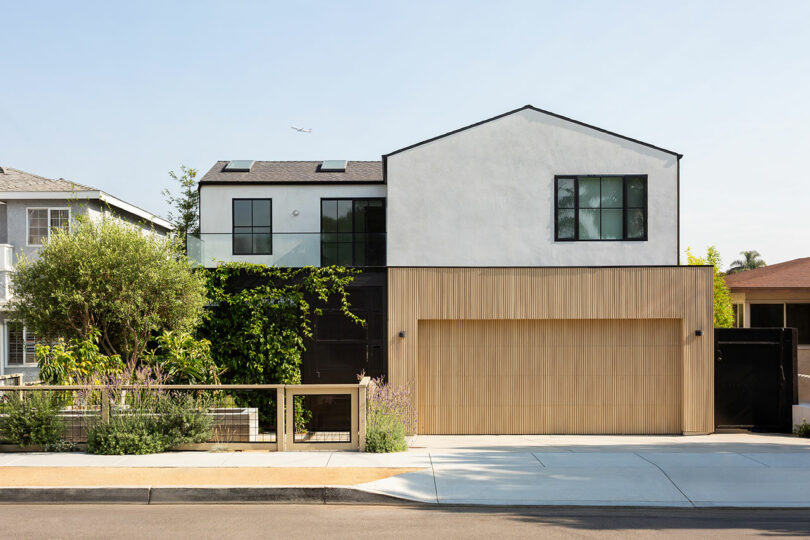
Situated on a quiet residential street in El Segundo, California, this Pine Ave Residence exemplifies the way architecture reframes trauma through transformation rather than erasure. Designed by AAHA Studio, the 5,100-square-foot home emerges from the aftermath of a devastating fire that left the original structure beyond repair. What followed over the course of 2.5 years was a deeply collaborative process that positions design as a stabilizing force and an emotional anchor capable of restoring calm, confidence, and comfort.
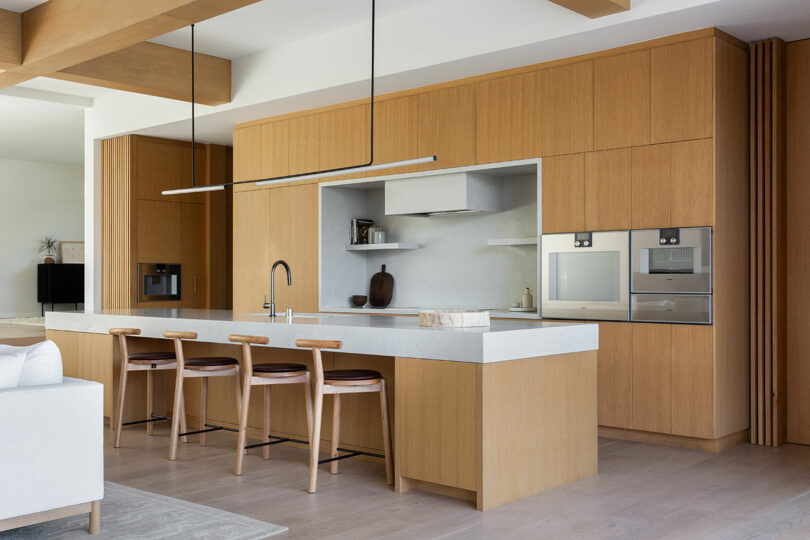
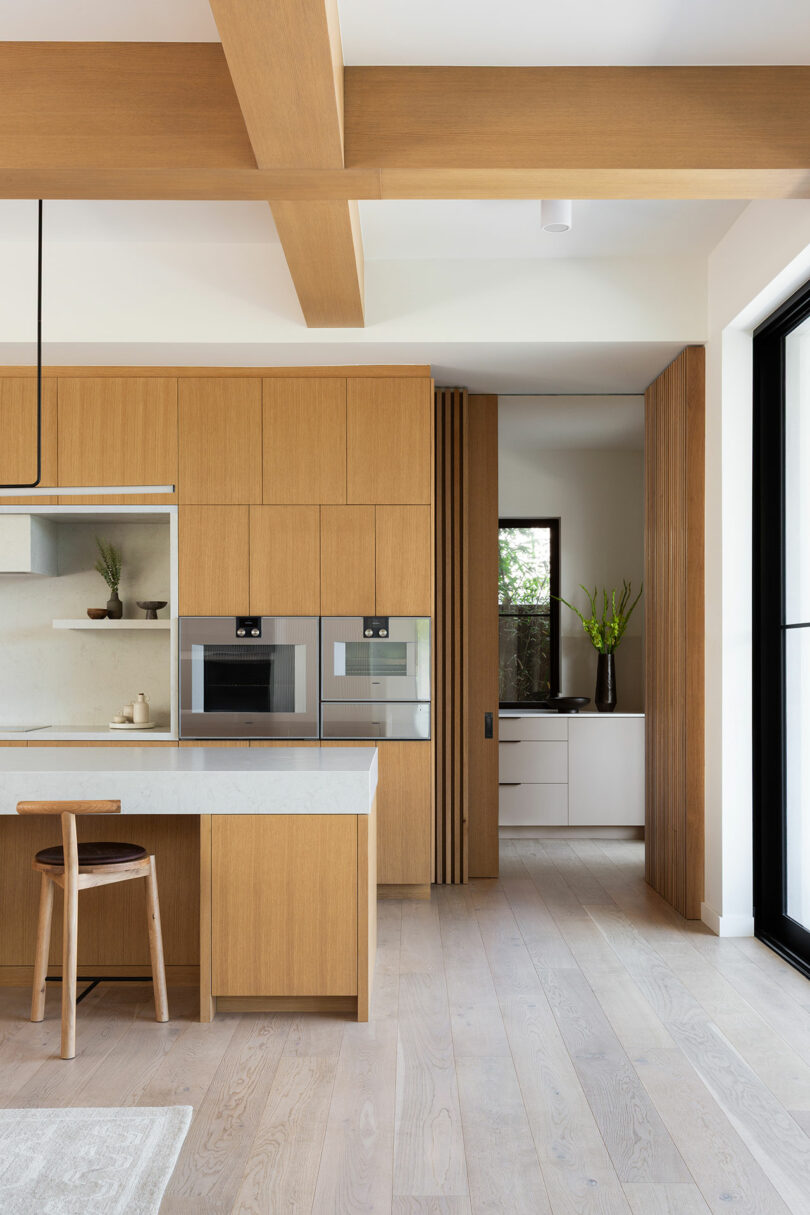
Acting as stewards as much as designers, the AAHA team balanced client aspirations for a renewed home with the financial and logistical realities of rebuilding. The original structure, a non-historic build, held little architectural meaning. The task became reinvention rather than typical reconstruction, realizing a physical structure while retaining an existing emotional container.
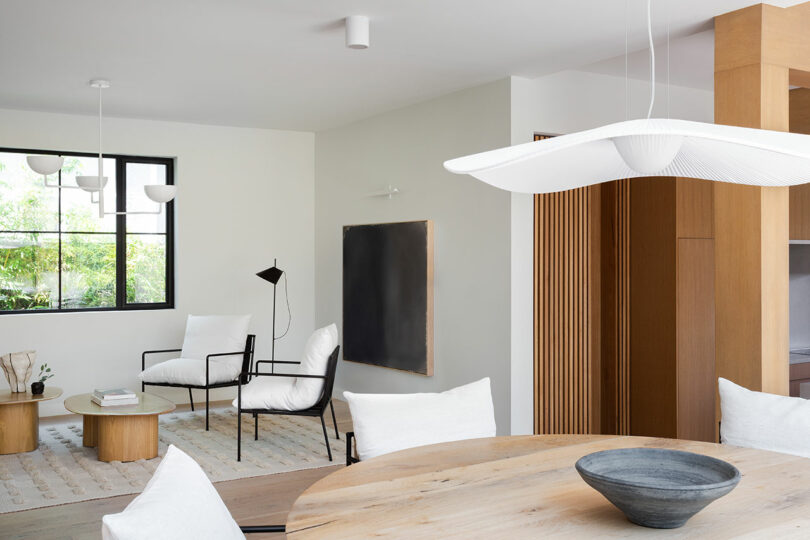
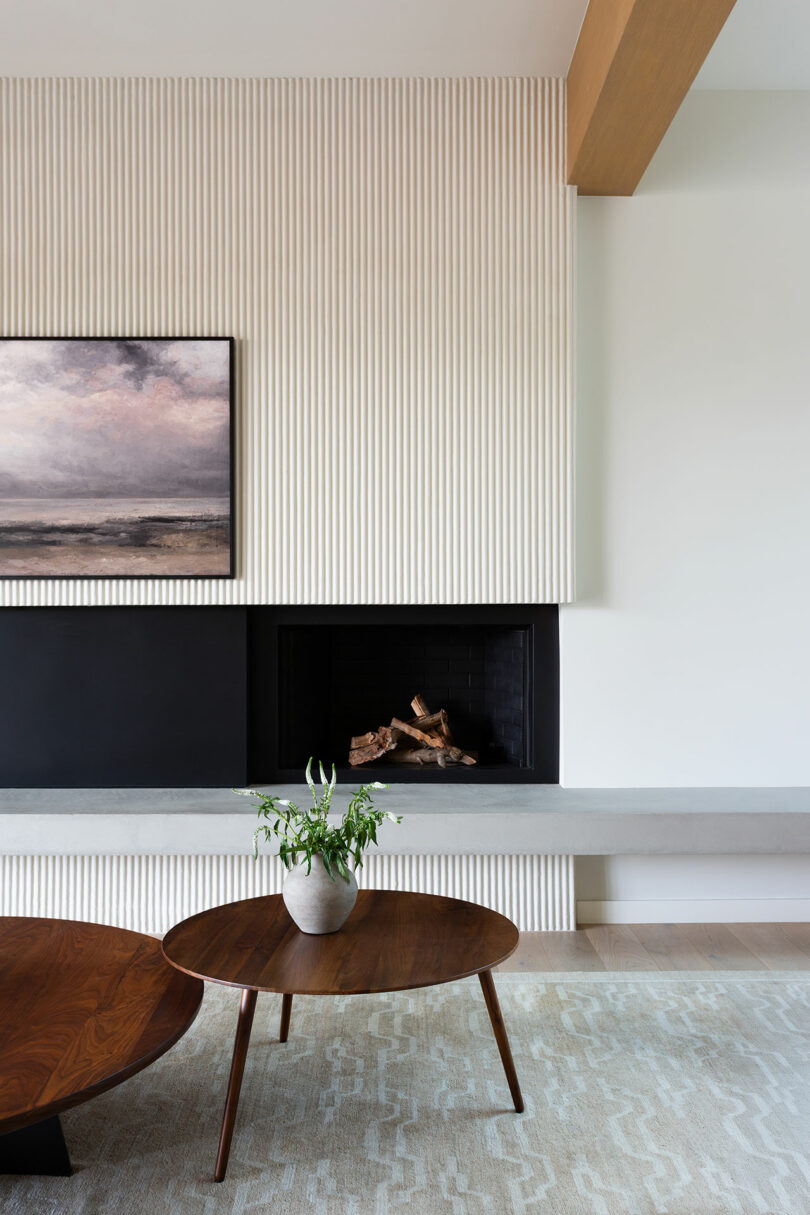
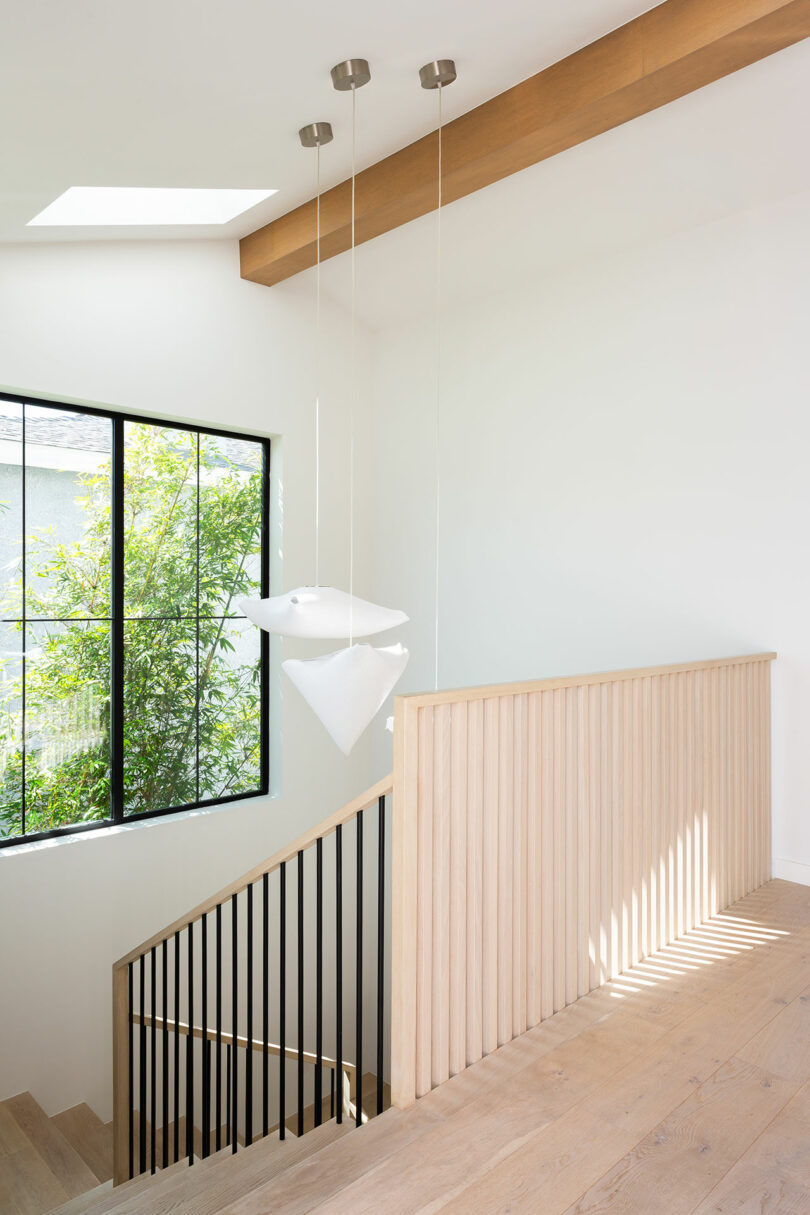
Light is the project’s most powerful tool for renewal despite the crowded, narrow urban lot condition. An indoor atrium – the home’s spatial and emotional heart – leverages an existing second-floor setback to transform an underutilized recess into a central lightwell, delivering daylight deep within. Reduced to essential elements, its slim aluminum framing nearly disappears as glass and sky take precedence.
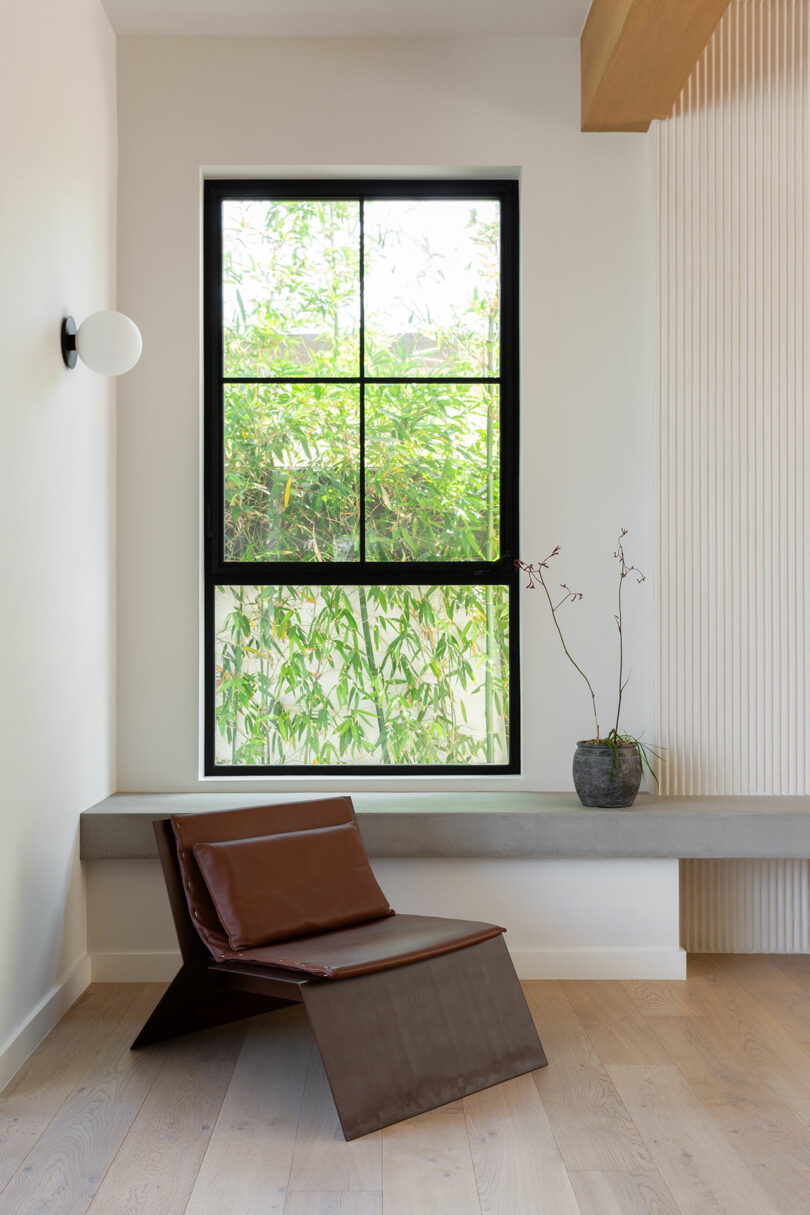
The intentional contrast between industrial precision and the home’s softer, beach-inspired interiors creates a quiet, luminous pause that anchors daily life.
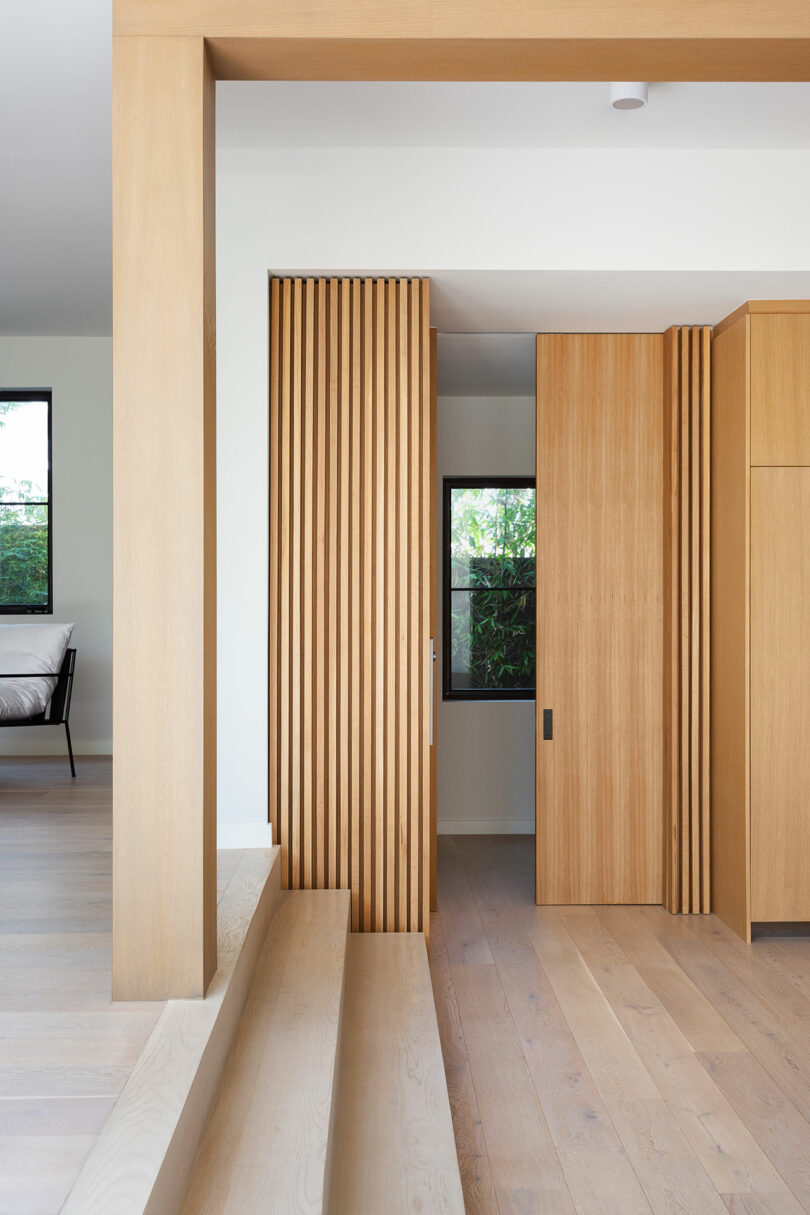
This inward-facing strategy also makes privacy accessible in a dense coastal neighborhood. It creates a protective sanctuary to shield the family from external forces while remaining open and fluid. Living spaces flow around the atrium; the gym extends to an outdoor deck; and a piano placed at the entry signals the centrality of music to the family’s routine.
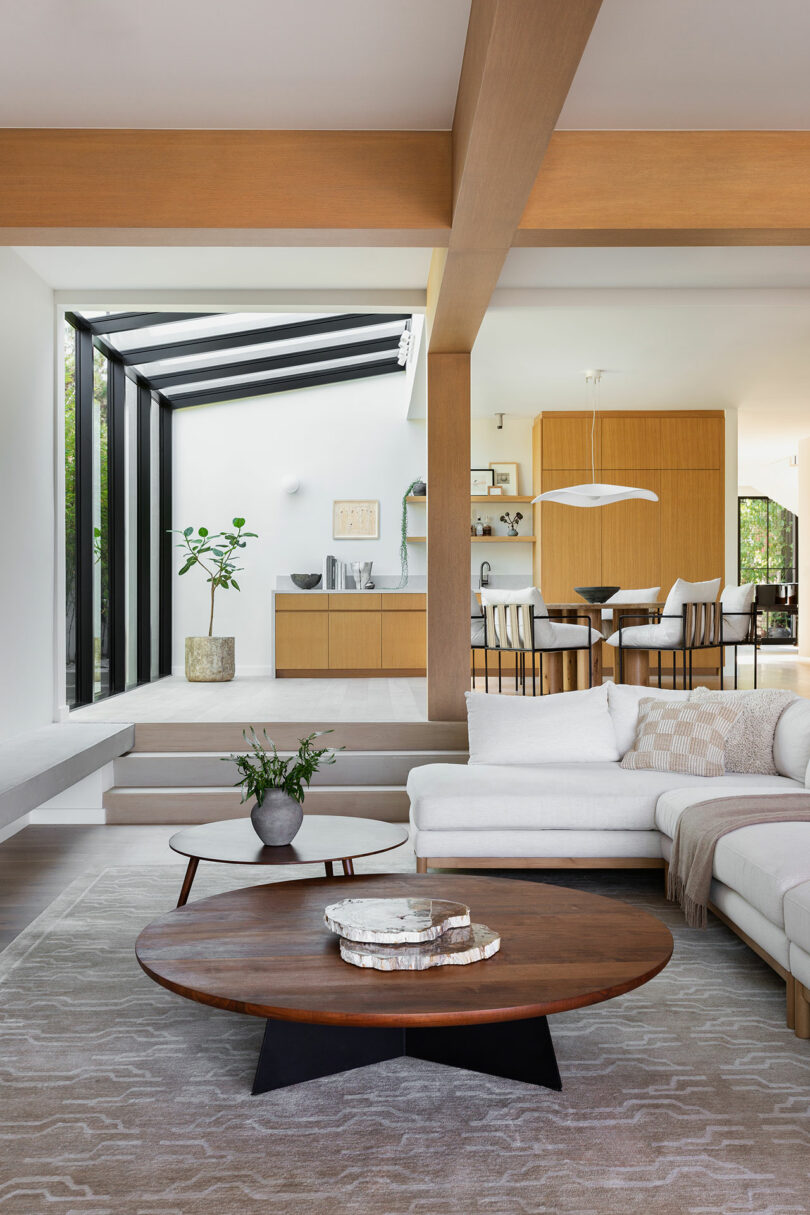
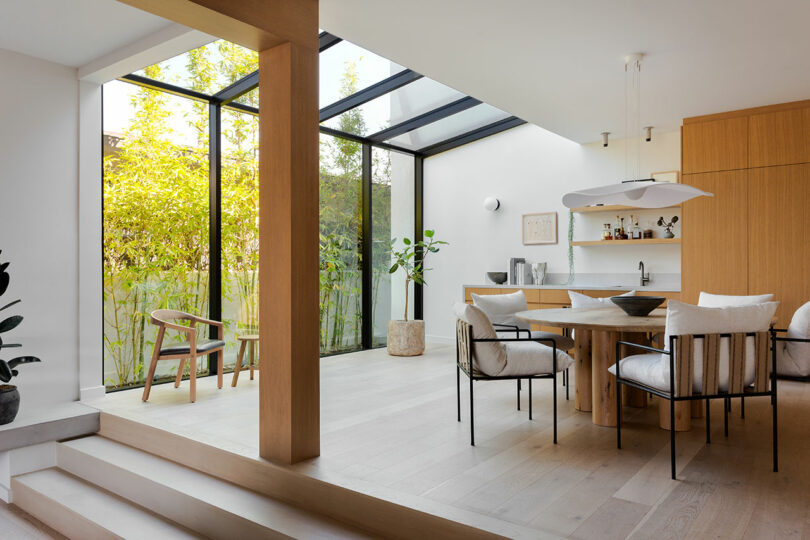
Alongside light, sound is allowed to permeate the house, subtly moderated by felt, carpeting, and material choices rather than rigid acoustic separations. The resulting space feels animated yet calm, capable of expanding for gatherings or contracting for quiet evenings through subtle level changes and visual connections.
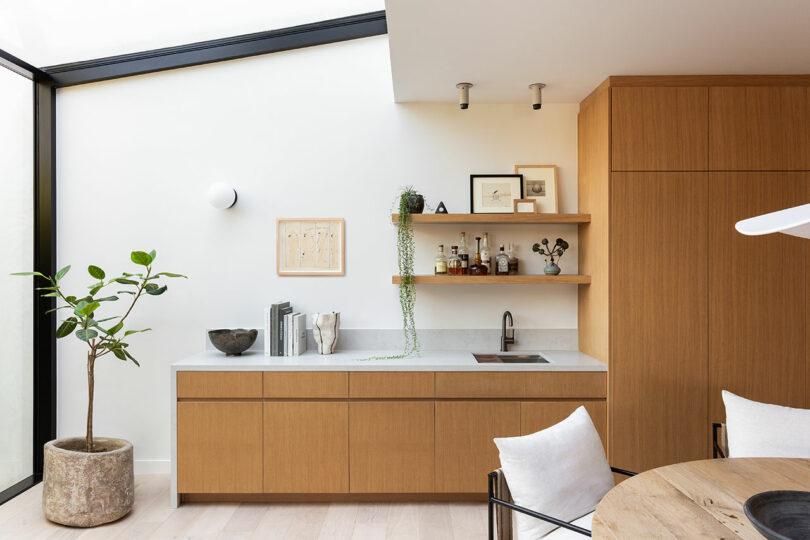
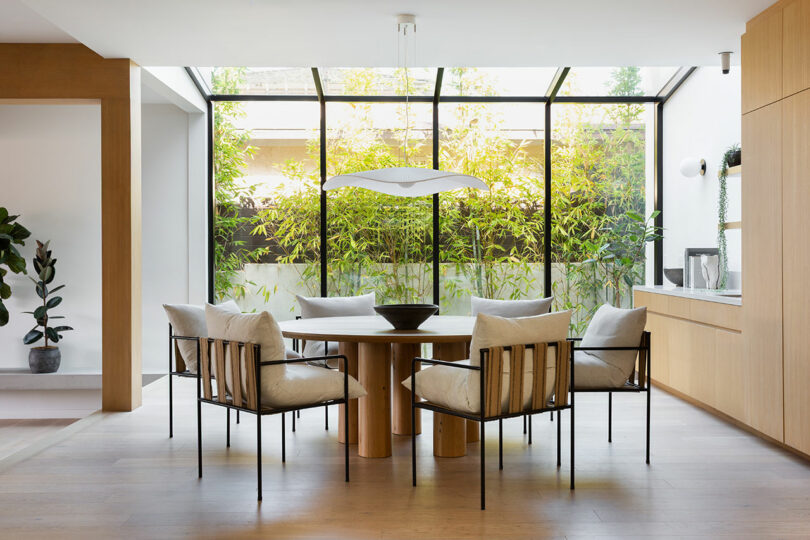
Family-centered planning is apparent in every design aspect. AAHA Studio anticipated growth and change rather than fixed moments in time. Every family member was invited into the process to specify finishes and shape spaces that would reflect their evolving identities.
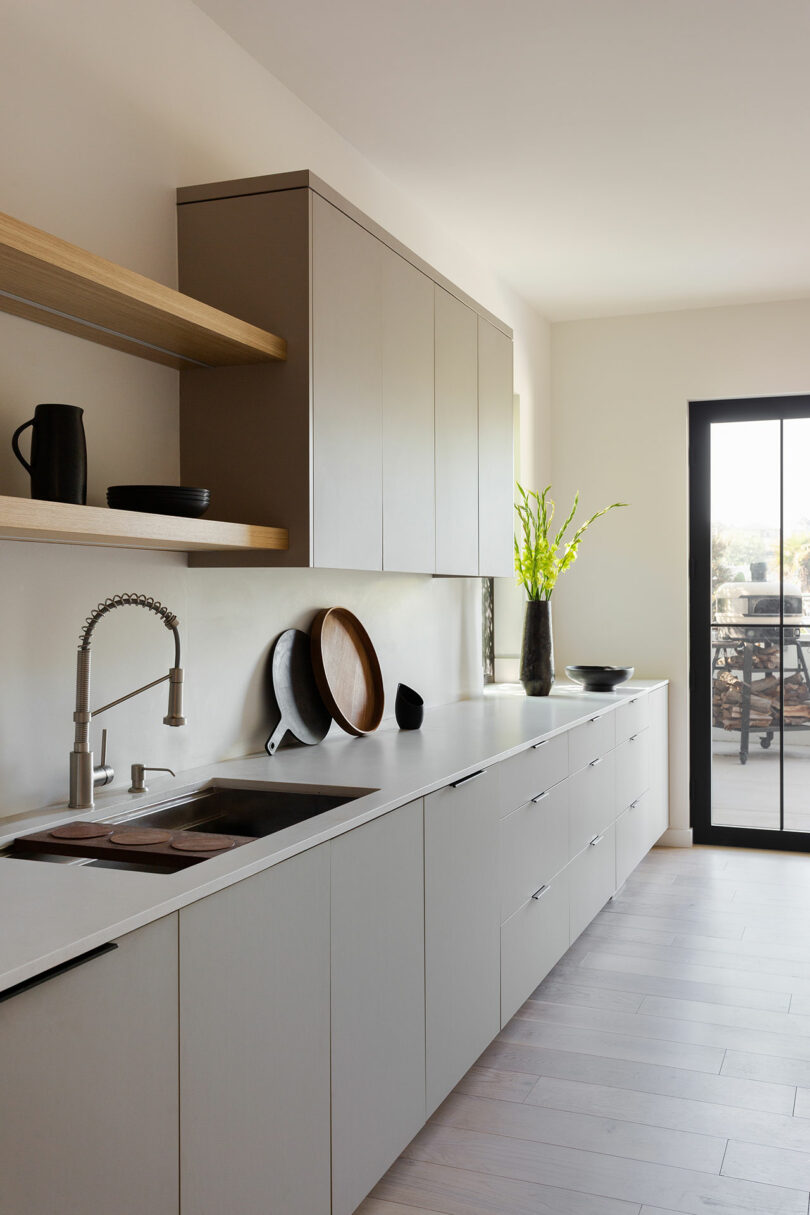
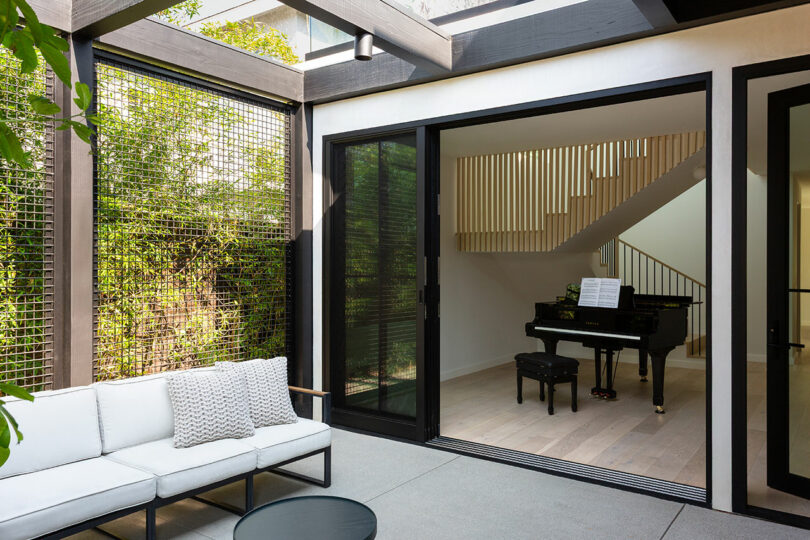
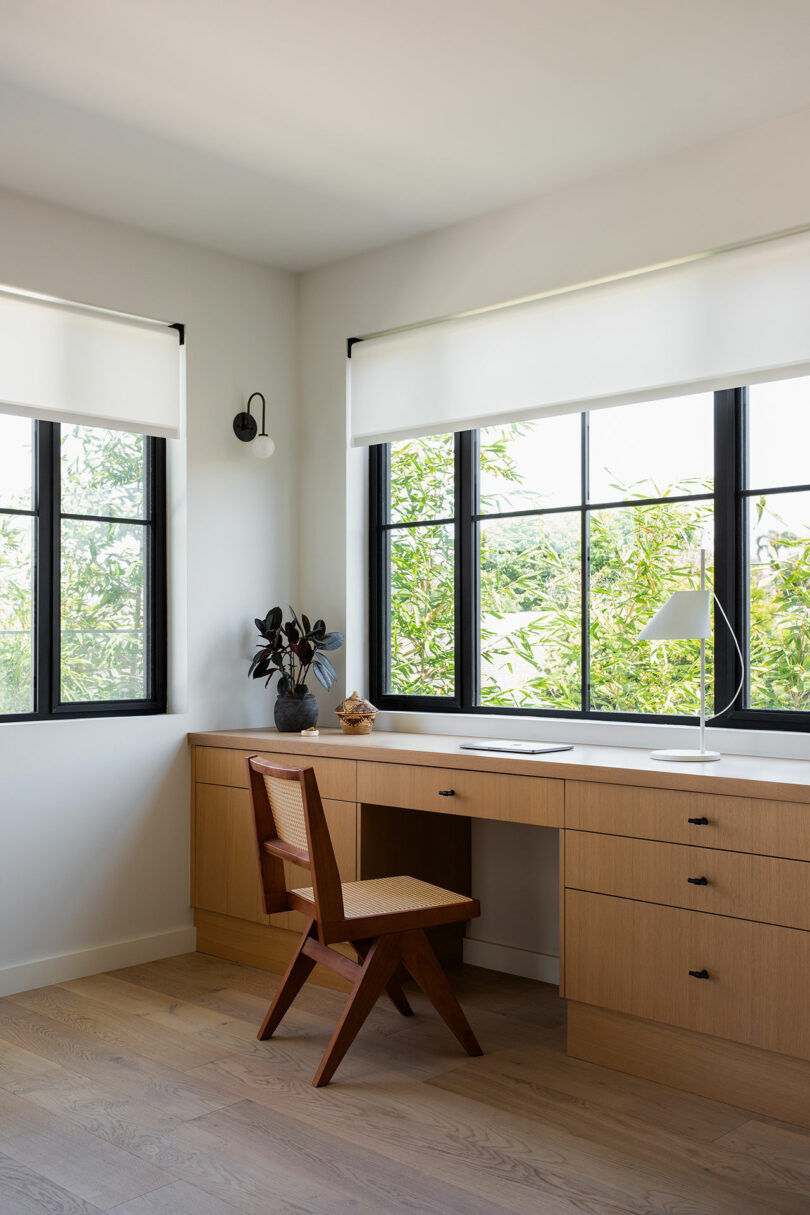
Productivity, notably, was deprioritized in favor of facilitating retreat from demanding professional lives. Flexible communal spaces as well as smaller nooks support both focus and play, reinforcing the idea that emotional well-being is as critical to a home’s success.
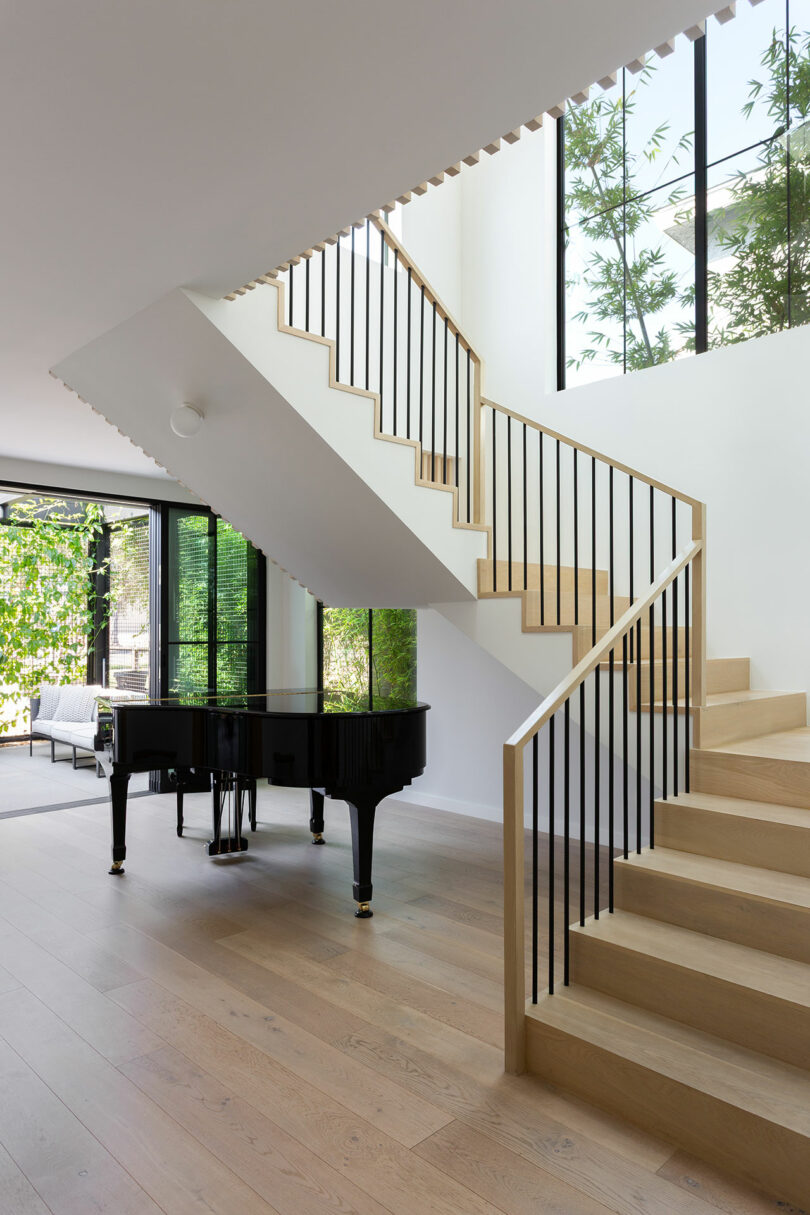
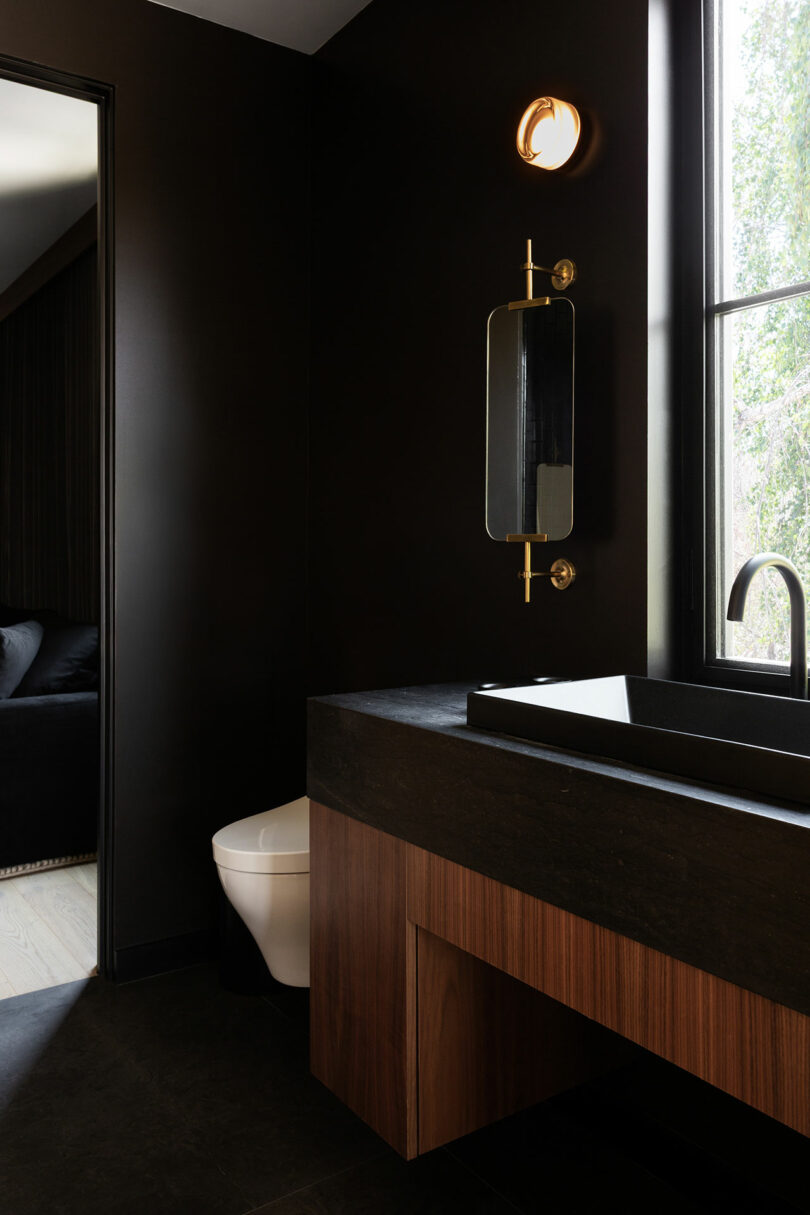
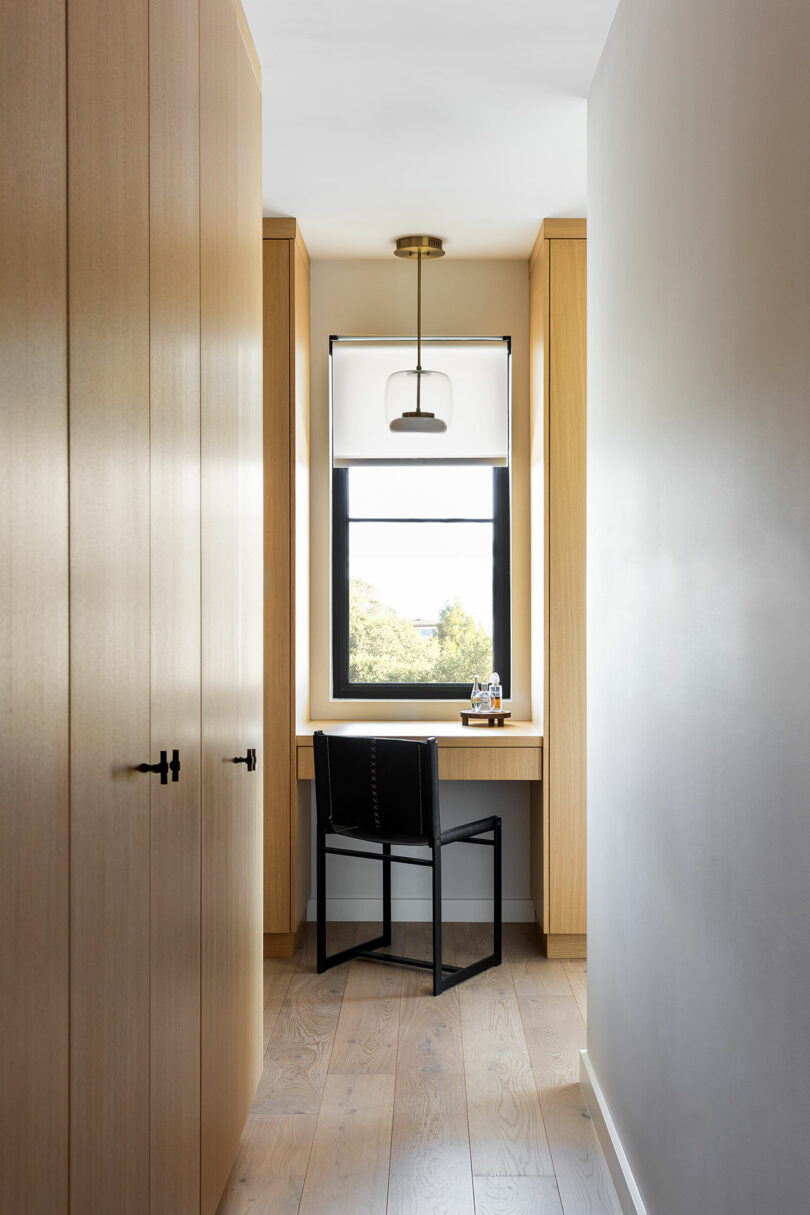
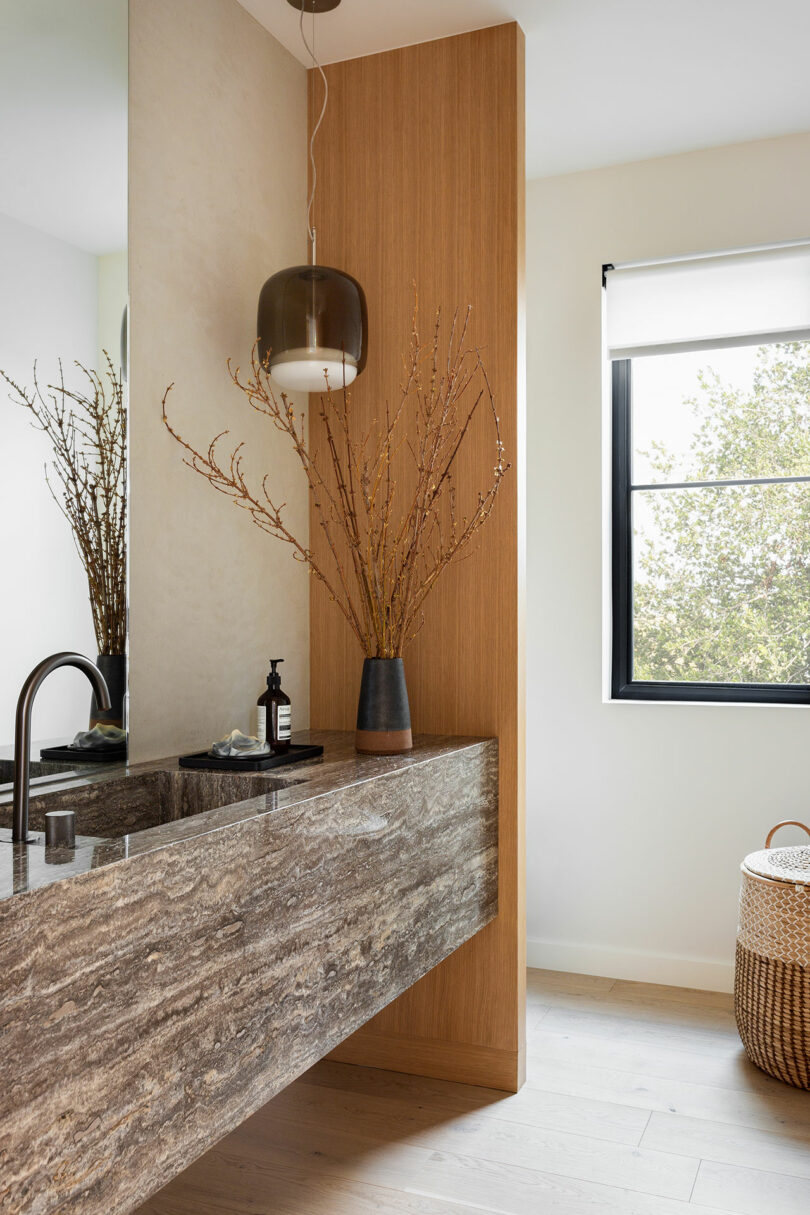
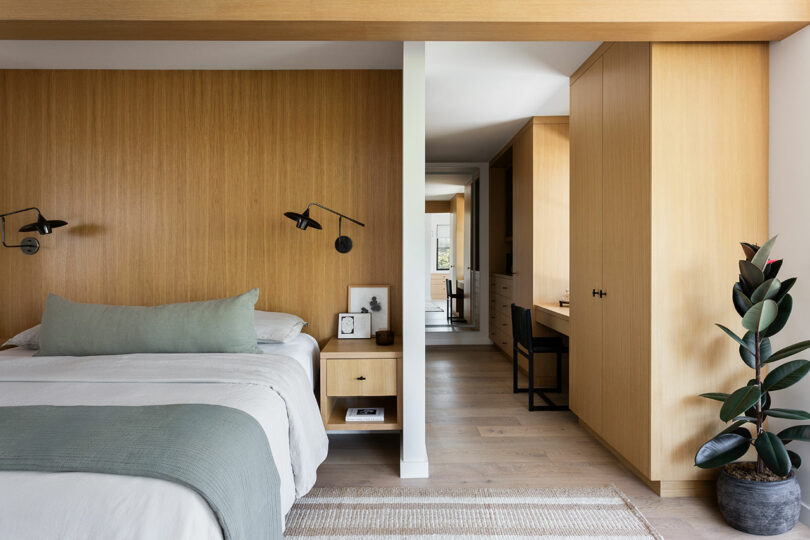
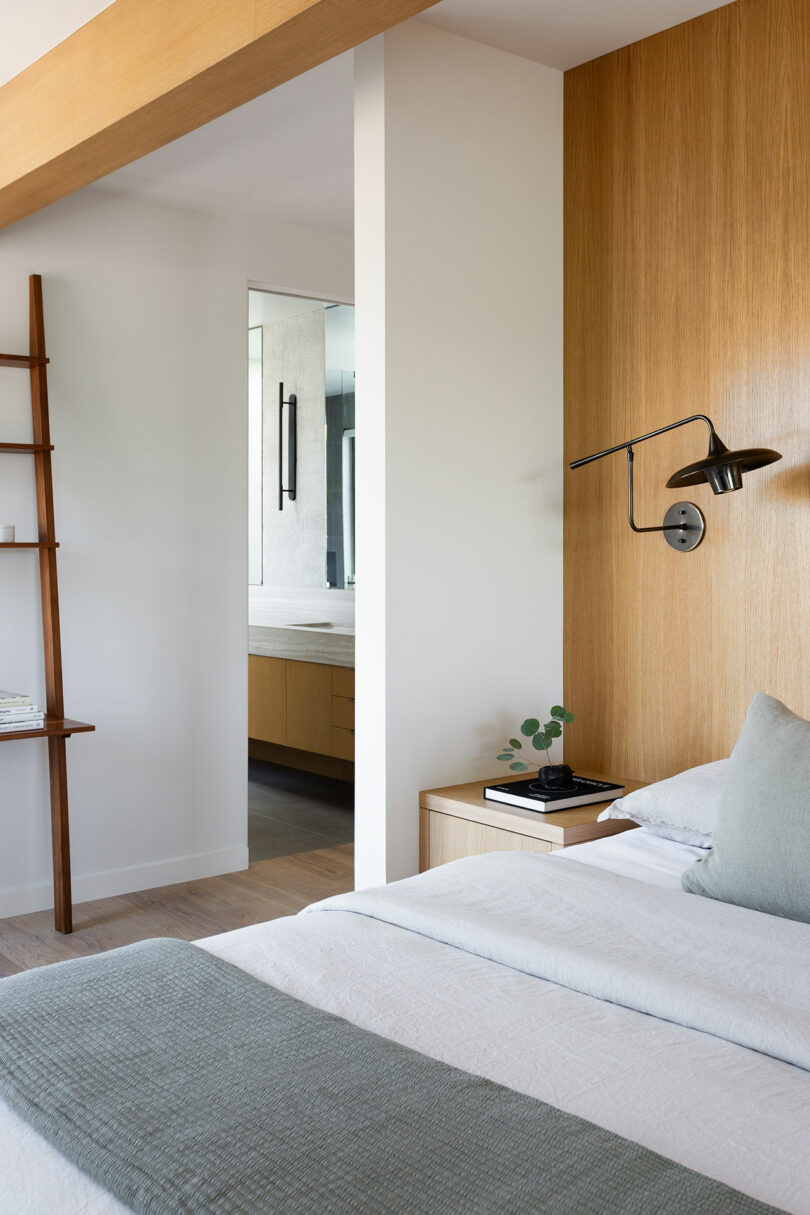
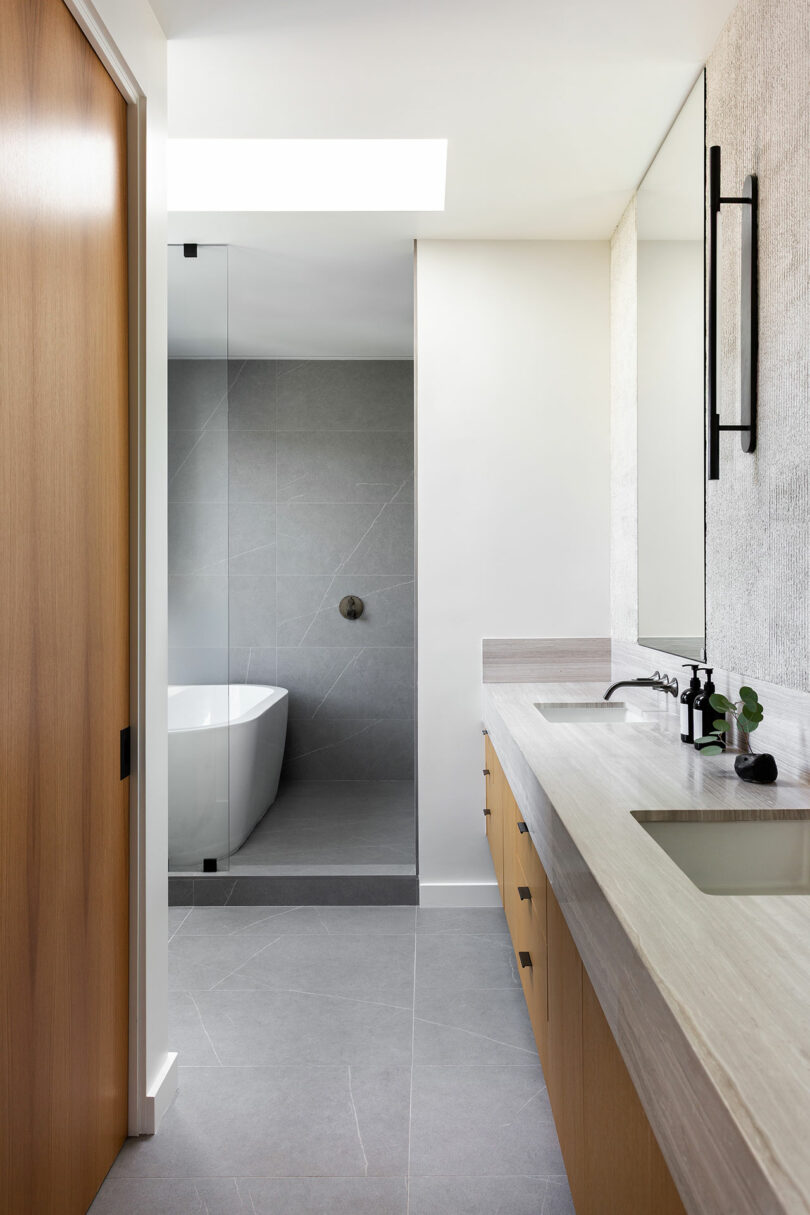
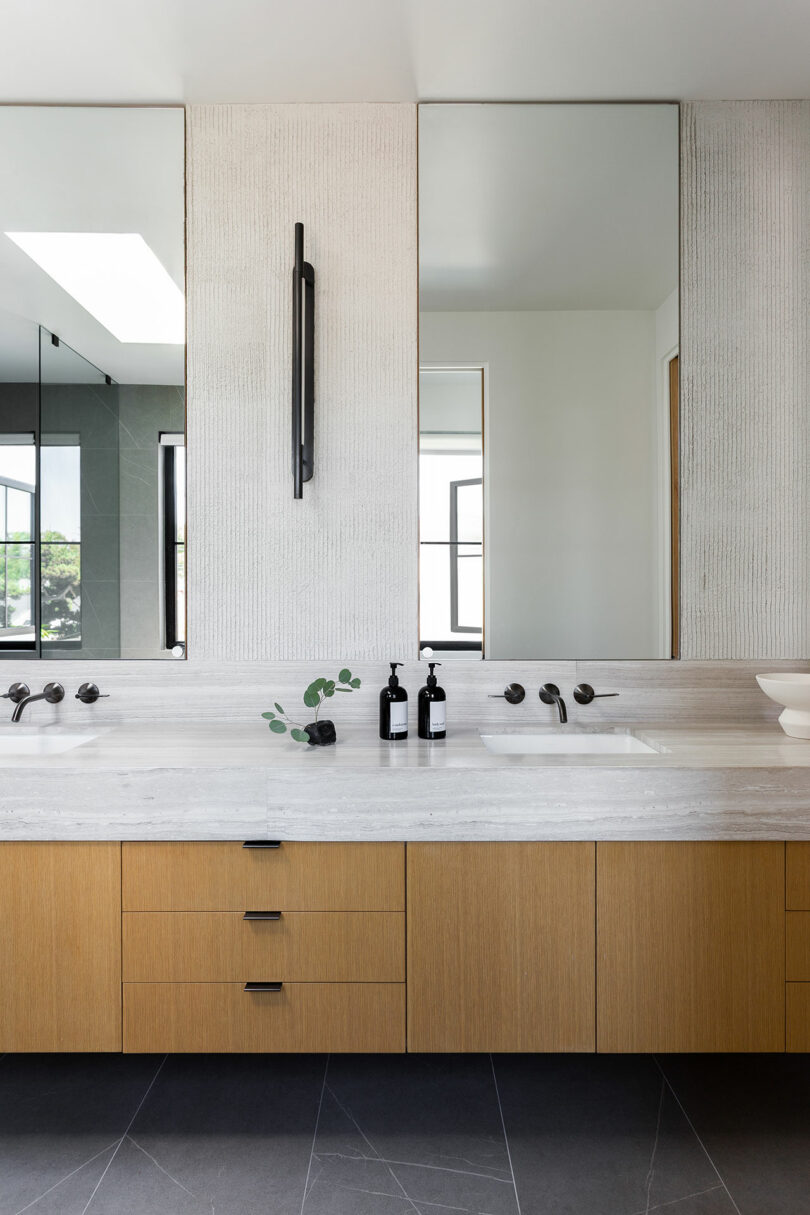
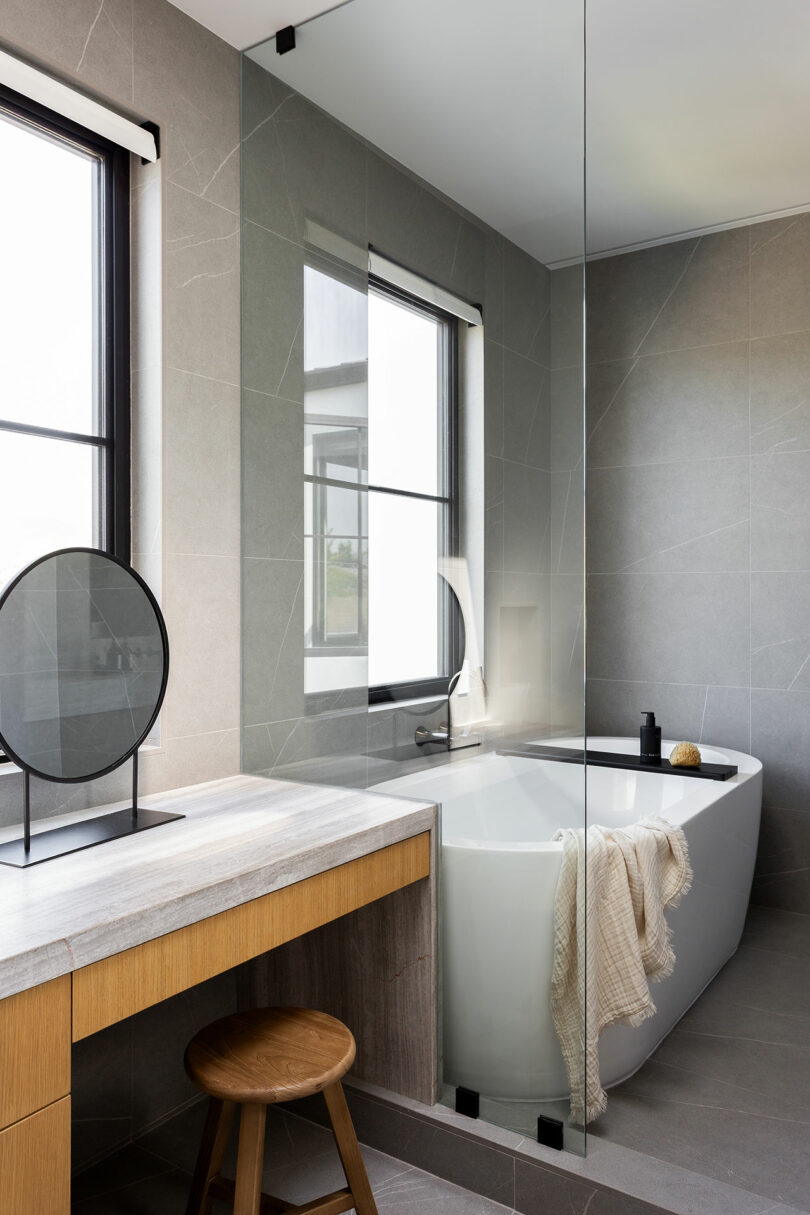
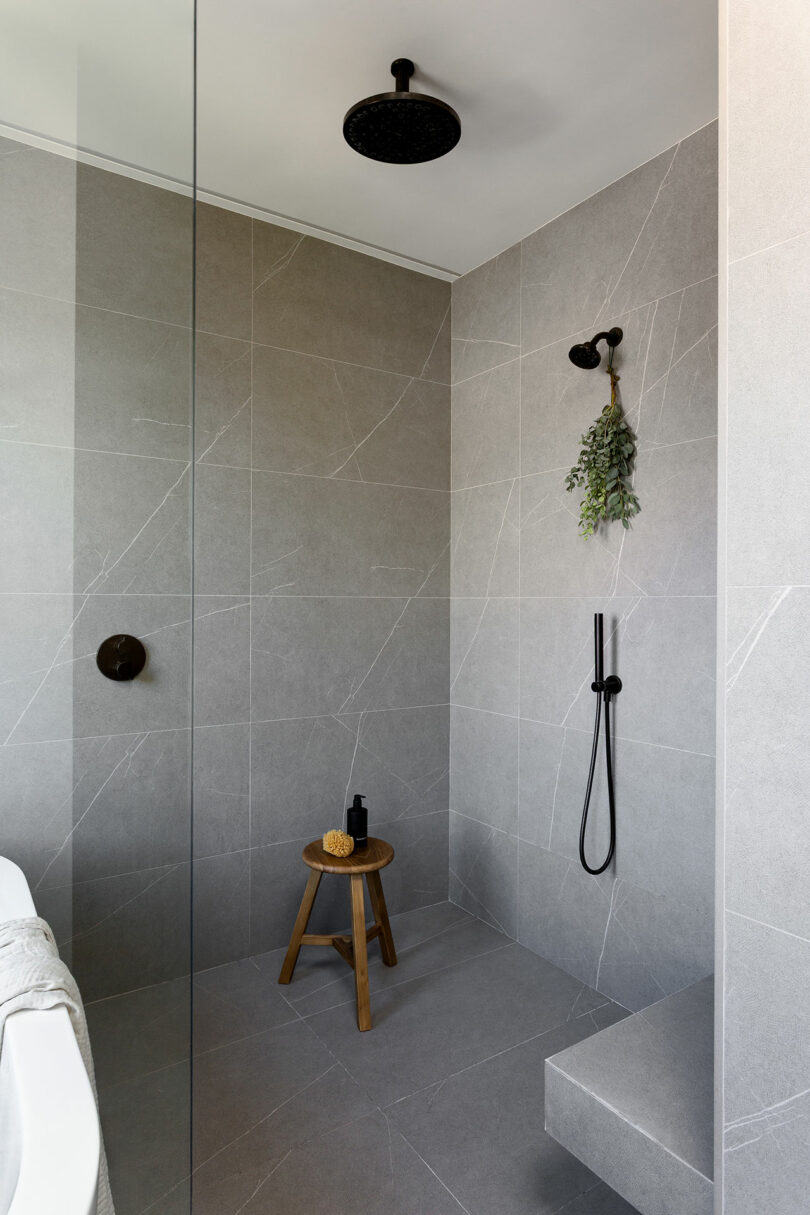
That ethos is distilled in the primary suite, conceived as a boutique-hotel-like retreat without excess or an expanded footprint, AAHA integrated bedroom, workspace, storage, and dressing areas into a single, efficient composition through custom millwork. Clutter is eliminated, and every element is purposeful. In the adjoining bath, plaster textures and daylight create a sense of quiet luxury through restraint.
Material and performance decisions reflect the same clarity. Extensive smoke remediation required a full interior overhaul – HVAC, plumbing, drywall, and windows were all replaced – allowing the home’s infrastructure to be completely modernized and brought up to current codes.
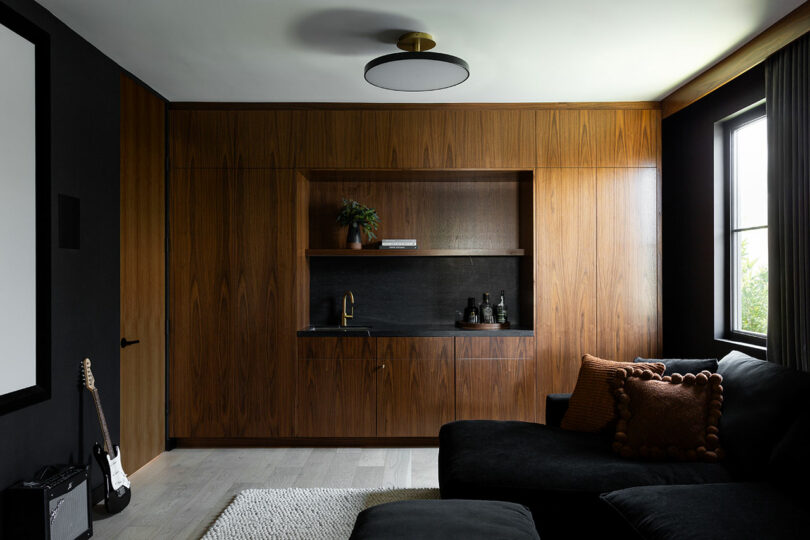
Sustainability is embedded through passive strategies: cross-ventilation harnesses ocean breezes, skylights and indirect LED lighting reduce reliance on mechanical systems, and flexible planning ensures long-term adaptability, including an ADU designed to evolve with the family over time.
Here, architecture does not attempt to memorialize tragedy. Instead, it reframes it – quietly and deliberately – into an opportunity for regrowth. By centering empathy, collaboration, and lived experience, AAHA Studio transformed a moment of profound disruption into a home that feels light rather than heavy with memory. What’s more, it rightfully places architects at the helm of design and construction beyond business transactions.
“This process underscored that the architect’s role extended far beyond design,” the studio shares. “It required us to act as crucial navigators, helping the clients manage complex negotiations with insurance companies, the city, and the fire department to transform a profound loss into a successful act of rebuilding and renewal.”
To learn more about AAHA Studio, visit aaha.studio.
Photography by Amy Bartlam.